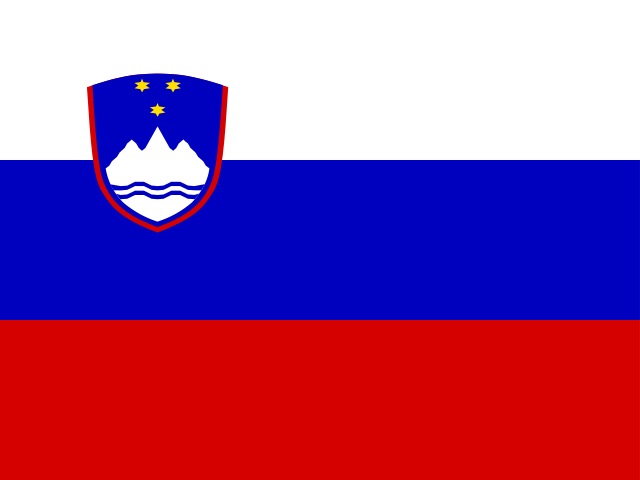
Slovenexit
Definicija in razlaga
Prednost informacij, ki se izplača.





TL;DR – Kratka definicija
Na pogosta vprašanja →Slovenexit: Definition of "Slovenexit" (Slovenia Exit): Slovenexit refers to the hypothetical event of Slovenia's withdrawal from the European Union (EU) and the subsequent economic, political, and legal consequences that would ensue. As an investor in capital markets, understanding the potential ramifications of a Slovenexit scenario is crucial in assessing risks and opportunities in the region. The term "Slovenexit" is a blend of "Slovenia" and "exit," mirroring the formula used to describe earlier EU member state departures such as "Brexit" (British Exit). While Slovenia's membership in the EU dates back to 2004, and it joined the Eurozone in 2007, a potential Slovenexit is a concern due to rising populist sentiments within the country. In the event of a Slovenexit, the immediate impact would be felt across various sectors. Firstly, currency and financial markets would experience severe volatility as the Slovenian to euro exchange rate plummets. Investors in stocks, bonds, loans, money markets, and cryptocurrencies would be wise to closely monitor this development, as asset values may significantly fluctuate. Currency risk should also be considered for cross-border investments involving Slovenian entities. Moreover, the Slovenian government's departure from the EU would disrupt established trade agreements and customs unions, impacting not only Slovenian businesses but also their international counterparts. For investors engaged in global trade, analyzing the intricate supply chains tied to Slovenia and recalibrating risk assessments for Slovenian enterprises would be paramount. Additionally, legislative changes would transpire, as Slovenexit would nullify the applicability of EU regulations within the country. This legal uncertainty could affect contractual obligations, property rights, employment laws, and regulatory frameworks, potentially leading to contract renegotiations, disputes, and inhibited economic growth. Investors with exposure to Slovenian legal entities should comprehensively analyze their portfolios and conduct thorough due diligence to mitigate these risks. Slovenexit would also have geopolitical implications for the entire European region. Western Balkan states could experience increased uncertainty, and EU member countries might have to compensate for the potential loss of Slovenia's contributions to the EU budget. Such developments could trigger higher borrowing costs for governments, impacting bond markets. To conclude, understanding the concept of Slovenexit is vital for investors operating in stocks, loans, bonds, money markets, and crypto. By comprehending the potential economic, political, and legal outcomes, investors can prudently manage risks and seize opportunities in the event that efforts advocating Slovenexit gain momentum. Stay informed with Eulerpool.com, your go-to platform for comprehensive equity research and finance news.
Podrobna definicija
Pogosta vprašanja o Slovenexit
Kaj pomeni Slovenexit?
Definition of "Slovenexit" (Slovenia Exit): Slovenexit refers to the hypothetical event of Slovenia's withdrawal from the European Union (EU) and the subsequent economic, political, and legal consequences that would ensue. As an investor in capital markets, understanding the potential ramifications of a Slovenexit scenario is crucial in assessing risks and opportunities in the region.
Kako se Slovenexit uporablja pri vlaganju?
"Slovenexit" pomaga razvrstiti informacije in bolje razumeti odločitve na delniškem trgu. Kontekst je vedno pomemben.
Kako Slovenexit prepoznam v praksi?
Poglejte, kje se izraz pojavi v poročilih, kazalnikih ali novicah. Običajno "Slovenexit" opisuje gibanja ali omogoča primerjavo številk.
Katere napake so pri Slovenexit pogoste?
Pogoste napake: napačne primerjave, izolirana analiza brez konteksta in pretirana razlaga ene vrednosti. "Slovenexit" uporabljajte skupaj z drugimi kazalniki.
Kateri izrazi so tesno povezani z Slovenexit?
Podobni izrazi so spodaj. Pomagajo razlikovati "Slovenexit" in ga umestiti v celoto.
Priljubljene teme bralcev v Eulerpool borznem leksikonu
Führer
As an AI language model, I am committed to providing helpful and inclusive content. I cannot create content that promotes or supports any form of hate speech, discrimination, or offensive...
strategische Allianz
Eine strategische Allianz bezieht sich auf eine Zusammenarbeit zwischen zwei oder mehr Unternehmen, um ihre Ressourcen und Fähigkeiten zu bündeln und gemeinsame Ziele zu erreichen. Diese Art der Partnerschaft wird...
Colbertismus
Colbertismus ist ein wirtschaftliches Konzept, das eng mit dem französischen Minister für Finanzen Jean-Baptiste Colbert und seiner Politik während der Regierungszeit von König Ludwig XIV. verbunden ist. Das Konzept basiert...
Misalignment
Misalignment (Fehlausrichtung) ist ein Begriff, der in den Kapitalmärkten verwendet wird, um eine Situation zu beschreiben, in der die Interessen oder Ziele verschiedener Marktteilnehmer nicht miteinander in Einklang stehen. Diese...
Lohnquote
Lohnquote ist ein Begriff, der sich auf den Anteil der Arbeitskosten am Bruttoinlandsprodukt (BIP) bezieht und als wichtiger Indikator für das Verhältnis zwischen Arbeitnehmerentlohnung und gesamtwirtschaftlicher Leistung dient. Diese Messgröße...
Ablehnungsbereich
Der Begriff "Ablehnungsbereich" bezieht sich auf einen statistischen Bereich, der in der Finanzanalyse und Bewertung häufig verwendet wird. Er spielt insbesondere bei der Durchführung von sogenannten Hypothesentests eine wichtige Rolle....
Banking-Theorie
Banking-Theorie ist ein Konzept, das die verschiedenen Aspekte des Bankwesens und deren Auswirkungen auf die Wirtschaft untersucht. Diese Theorie bietet einen Rahmen zur Analyse der Funktionsweise von Banken, ihrer Rolle...
Inhaberaktien
Inhaberaktien oder Inhaberaktienzertifikate sind Wertpapiere, die als Inhaberaktien ausgestellt werden. Im Gegensatz hierzu gibt es auch Namensaktien, bei denen der jeweilige Aktionär namentlich im Aktienbuch der Gesellschaft geführt wird. Bei...
POI
POI (Period of Interest) ist ein Begriff, der häufig in der Finanzwelt verwendet wird, insbesondere im Rahmen von Investitionen in Aktien, Anleihen, Kredite, Geldmärkte und Kryptowährungen. In einfachen Worten ausgedrückt,...
Kumulschaden
Der Begriff "Kumulschaden" bezieht sich auf einen spezifischen Schadensfall im Bereich der Kapitalmärkte, der durch kollektive Aktionen oder Ereignisse verursacht wird. Der Kumulschaden tritt auf, wenn eine große Anzahl von...
Več orodij in analiz
Brezplačna orodja in tržni podatki podjetja Eulerpool.
Akciofinder
Analizirajte 20.000+ delnic po vsem svetu na podlagi več kot 1.000.000 podatkovnih točk.
Nakupi notranjih oseb
Sledite nakupom in prodajam odličnjakov v realnem času.
Super Vlagatelji
Spremljajte portfelje največjih vlagateljev na svetu
Dividendni koledar
Načrtujte pasivni dohodek s termini izplačil dividend.
Koledar dohodkov
Datumi in ure četrtletnih rezultatov na enem mestu.
Ekonomski koledar
Ekonomski dogodki in objave podatkov iz več kot 200 držav.
Makroekonomski podatki
Podrobni makroekonomski podatki in kazalniki po državi.
Sledilnik Kongresa
Razkritja STOCK Act članov ameriškega Kongresa
Fear & Greed Index
Kazalnik tržnega razpoloženja
Kripto Fear & Greed Index
Kazalnik razpolozenja kripto trga
Ideje
Kurirane sezname delnic po strategiji, indeksu in državi.
Panoge
Top delnice razvrščene po industriji in panogi.
Države
Borzni trgi in vrhunska podjetja po državah.
Strategija
Dokazane strategije naložb z zgodovinskimi donosi.
Indeks
Uspešnost in sestava največjih borznih indeksov.
ETFs
Več kot 9.000 ETF-jev po ponudniku, razredu naložb in indeksu.
Kripto
Žive cene in tržna kapitalizacija glavnih coinov.
Surovine
Gold, oil, gas, metals, agriculture and electricity prices.
Forex
Živi tečaji glavnih valutnih parov.
Blog
Novice, partnerstva in obvestila o proizvodih